
BHUTAN TRAVEL GUIDE 🇧🇹
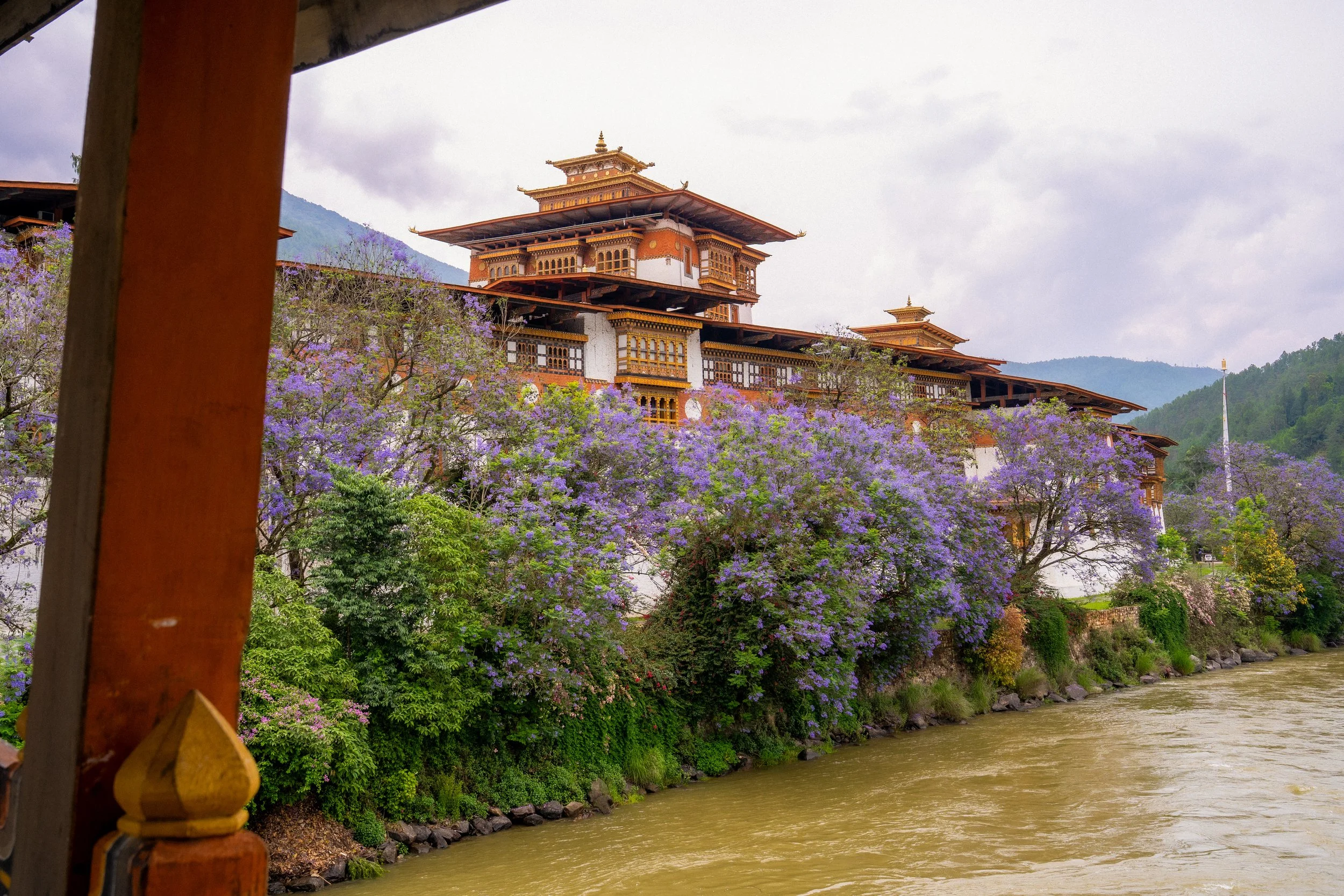
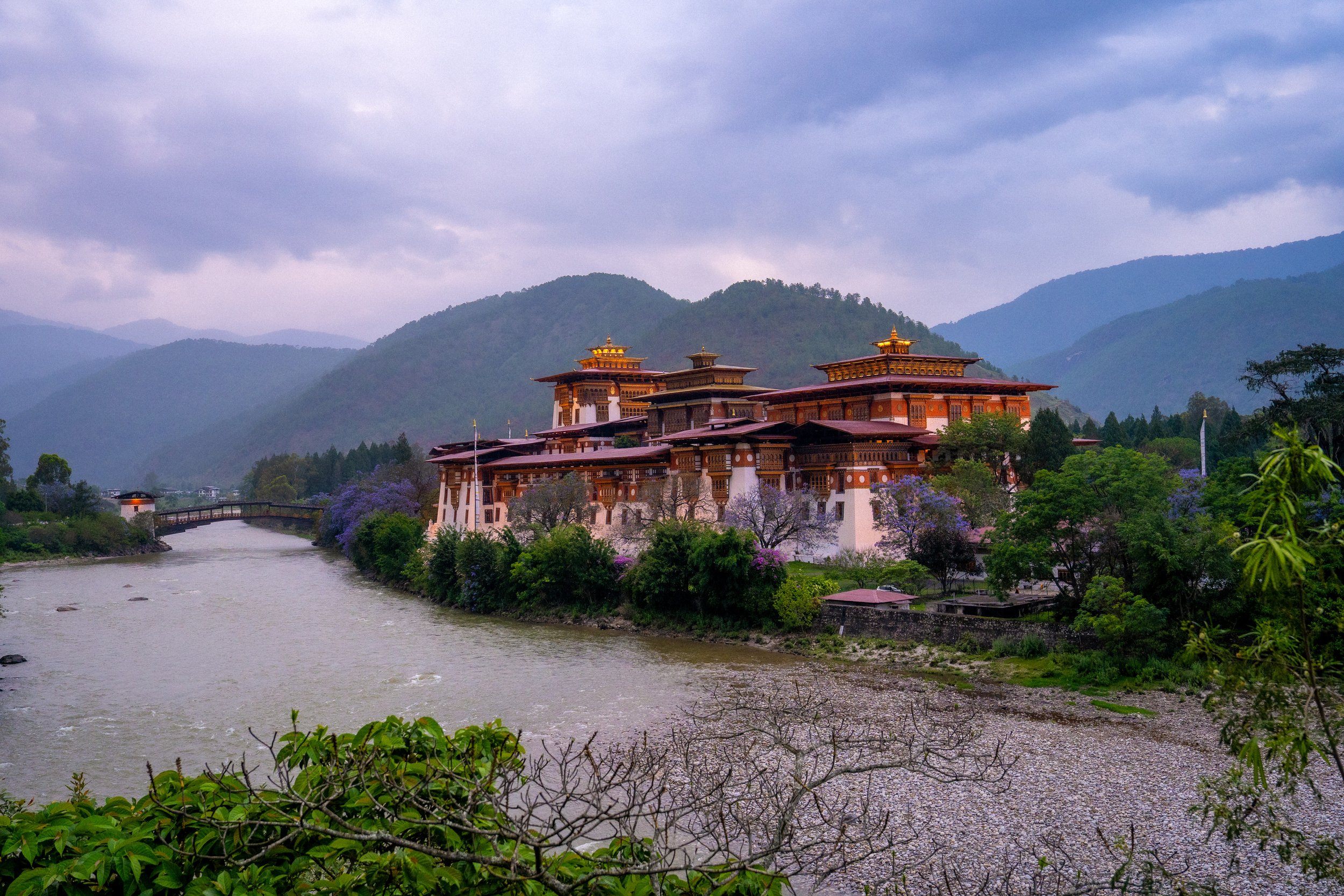
The Famous Punakha Dzong
The Land of the Thunder Dragon
Bhutan is unlike anywhere else I’ve travelled. Tucked between India and China in the Himalayas, it’s a country where ancient Buddhist traditions are still woven into everyday life, mountains are considered sacred, traditional dress is still worn, and protecting culture and nature genuinely feels like a national priority.
We travelled through Punakha, Thimphu and Paro, slowly increasing in altitude before finishing with the experience I had been waiting for: hiking to the legendary Tiger’s Nest monastery.
This guide follows our actual trip and includes the places I’d recommend, what we ate, where to shop, cultural experiences worth seeking out and everything I wish I’d known before visiting.
BEFORE YOU GO
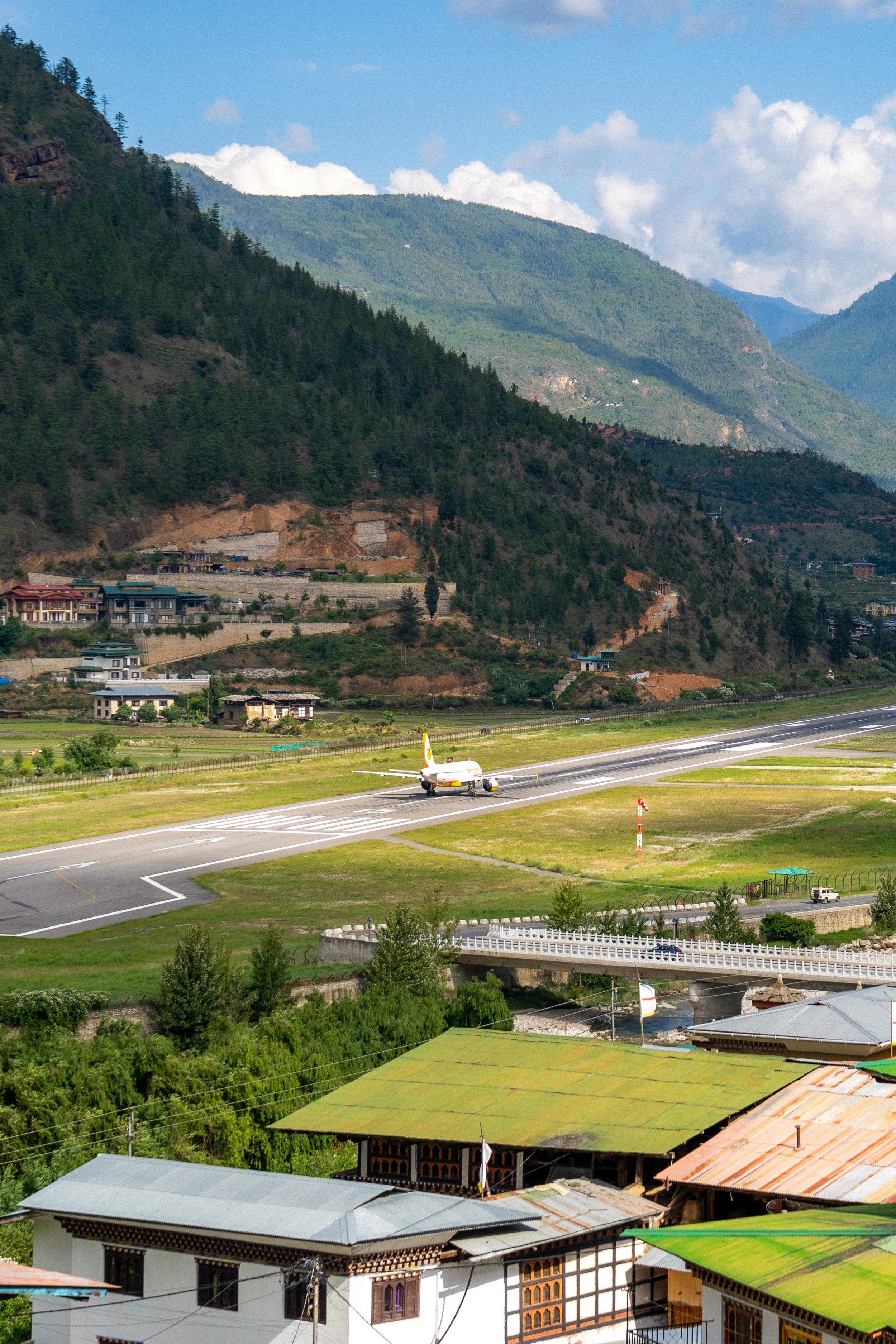
Getting there: We flew from Kathmandu to Paro with Drukair. The flight itself is an experience, with views across the Himalayas and even Mount Everest on a clear day. Then comes the famous descent into Paro, where the plane navigates between the mountains before landing.
Getting around: Our trip was organised with a local tour company and we travelled with our guide Bishnu and driver Mr. Zepa throughout the country.
Altitude: I would absolutely recommend structuring your itinerary so you gradually increase in elevation. We started in lower lying Punakha, continued to Thimphu and finished in Paro before hiking Tiger’s Nest.
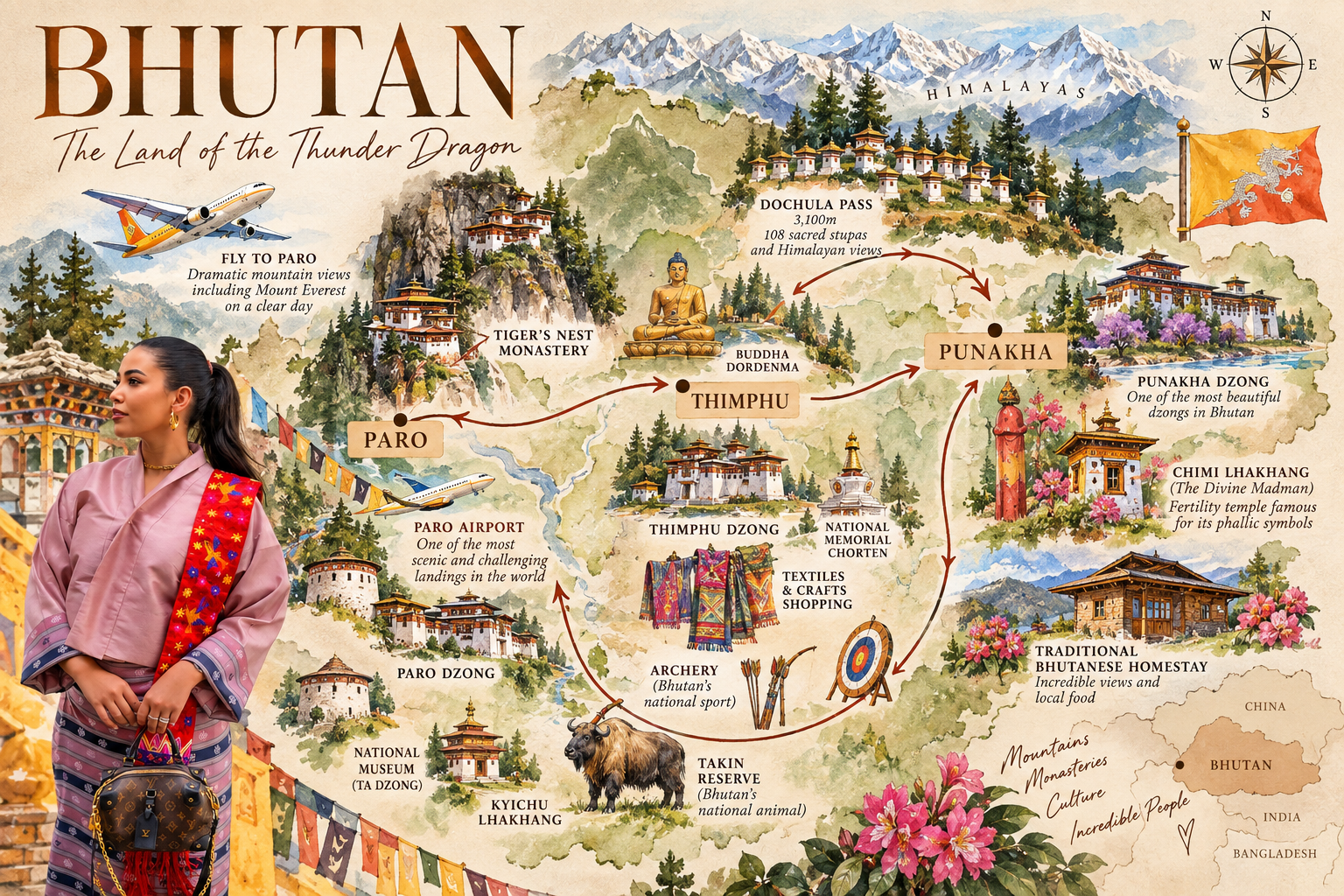
OUR BHUTAN ROUTE
PUNAKHA
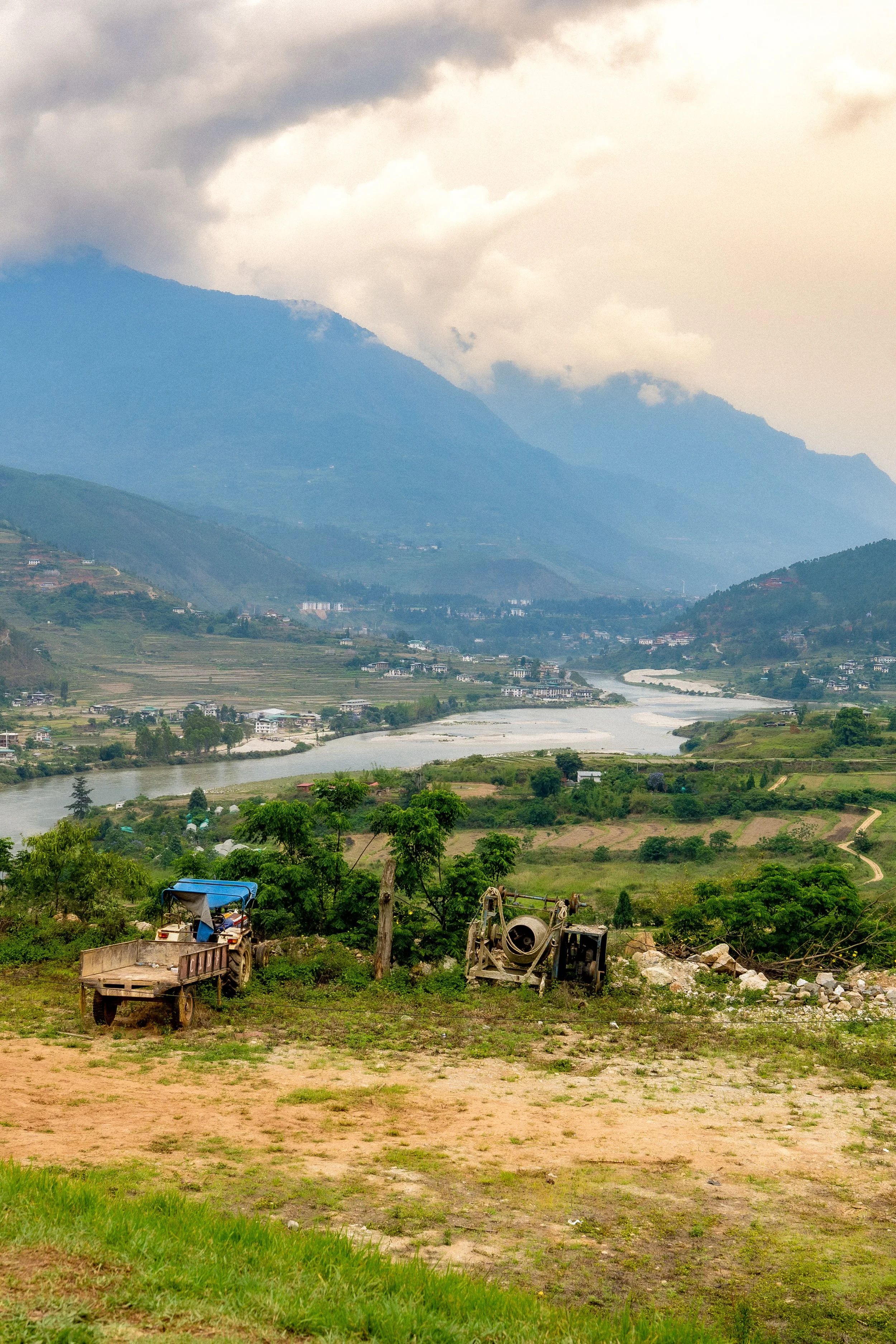
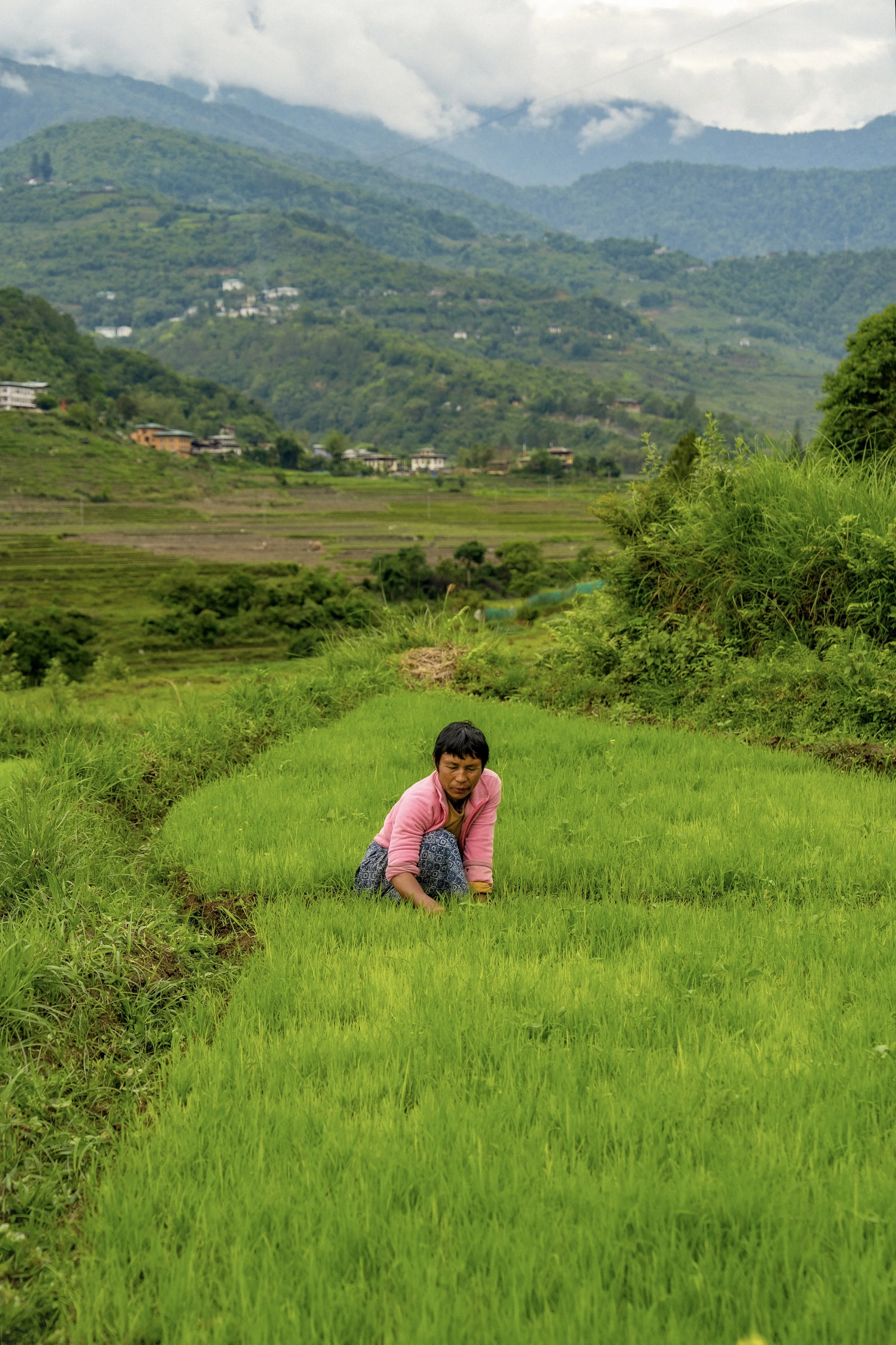
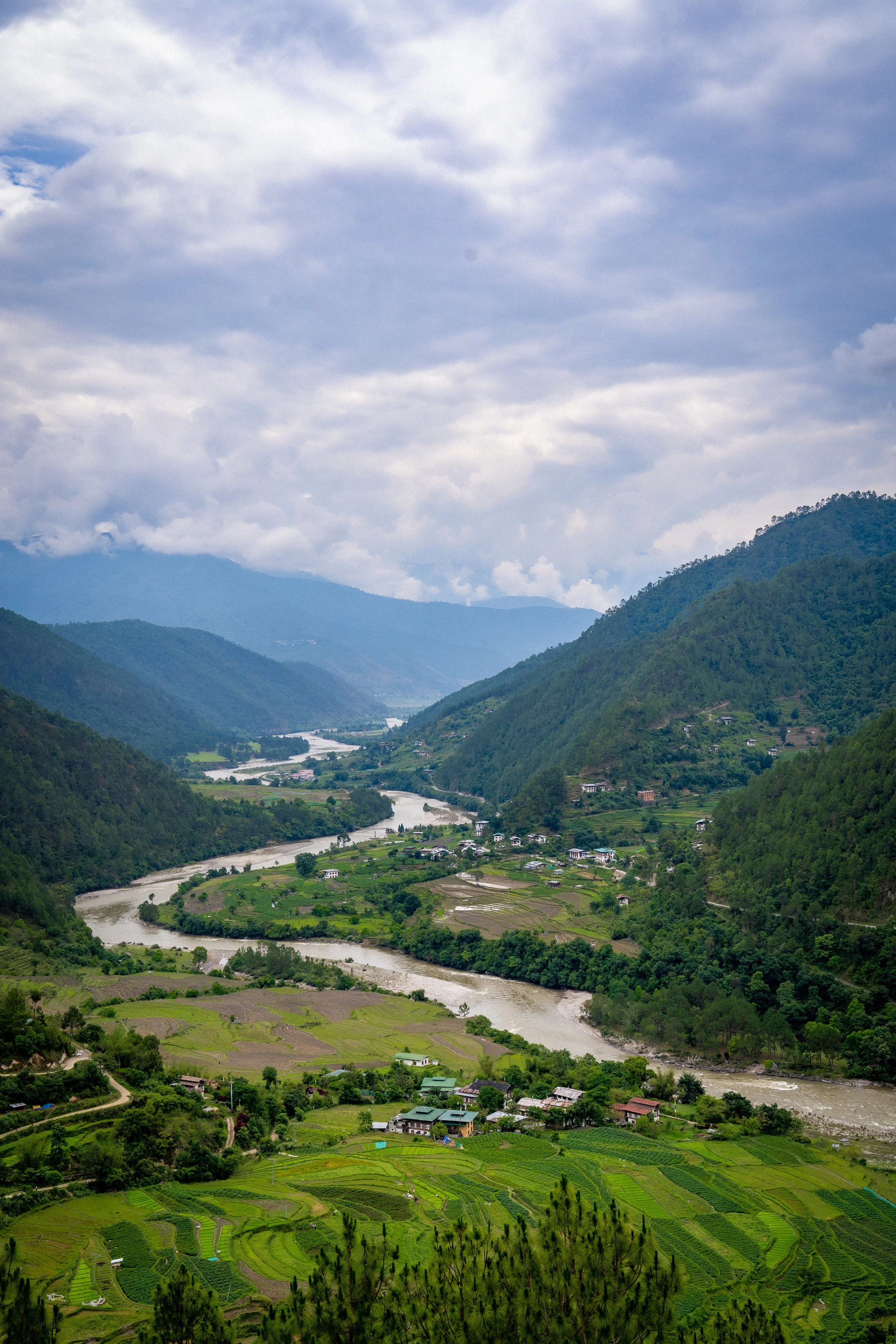
Punakha was the perfect introduction to Bhutan. It’s incredibly green, peaceful and surrounded by mountains, rivers and rice fields.
Dochula Pass
Stop here on the journey from Paro towards Punakha. At around 3,100 metres, it was our first real taste of Bhutan’s elevation and mountain scenery. The pass is home to 108 sacred stupas and, on a clear day, has incredible views towards the Himalayas.
Stay in a traditional Bhutanese homestay
One of my favourite choices of the trip. Instead of only staying in hotels, spend at least one night in a traditional home. Ours overlooked the valley and gave us the chance to experience Bhutanese food and hospitality in a completely different setting.
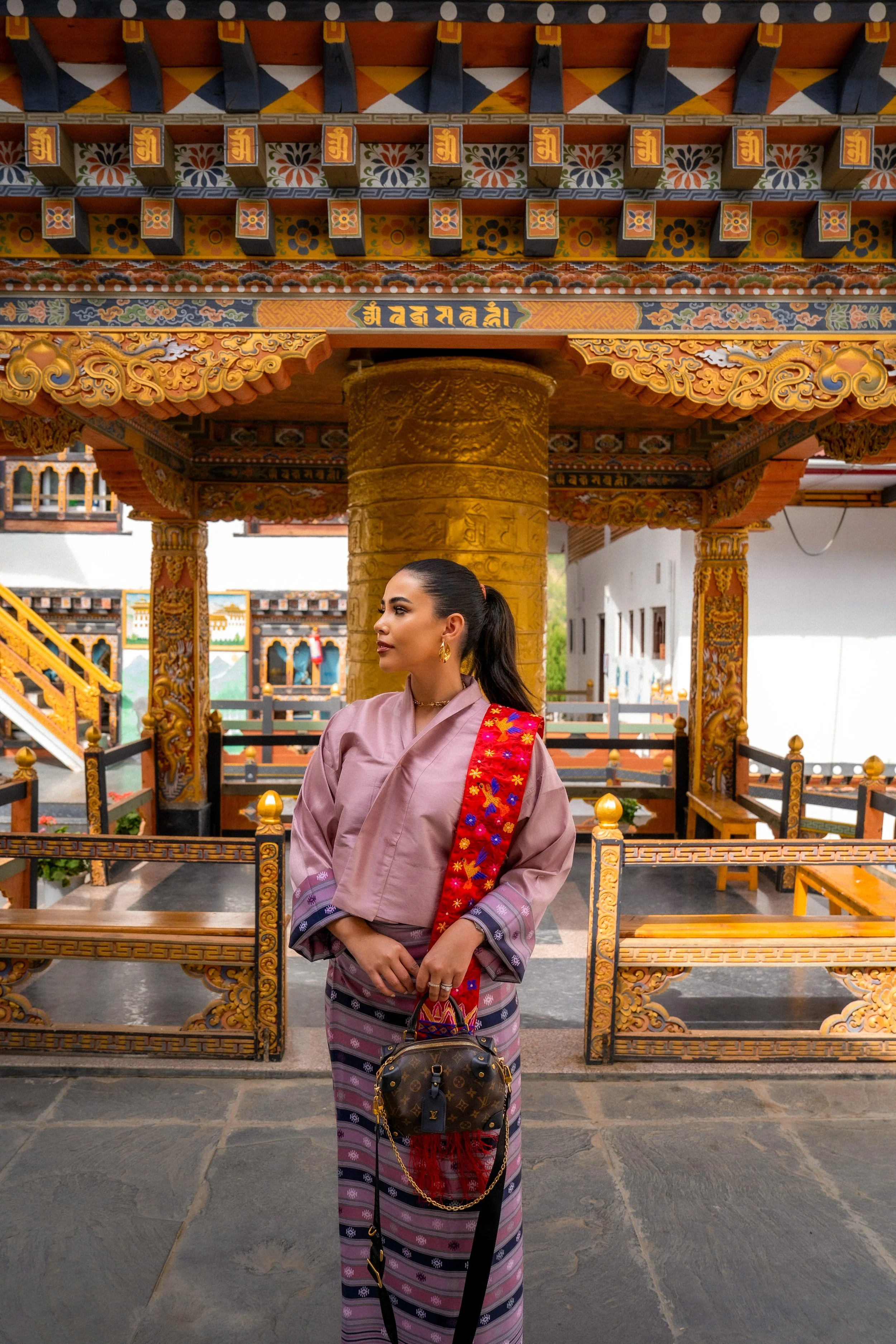
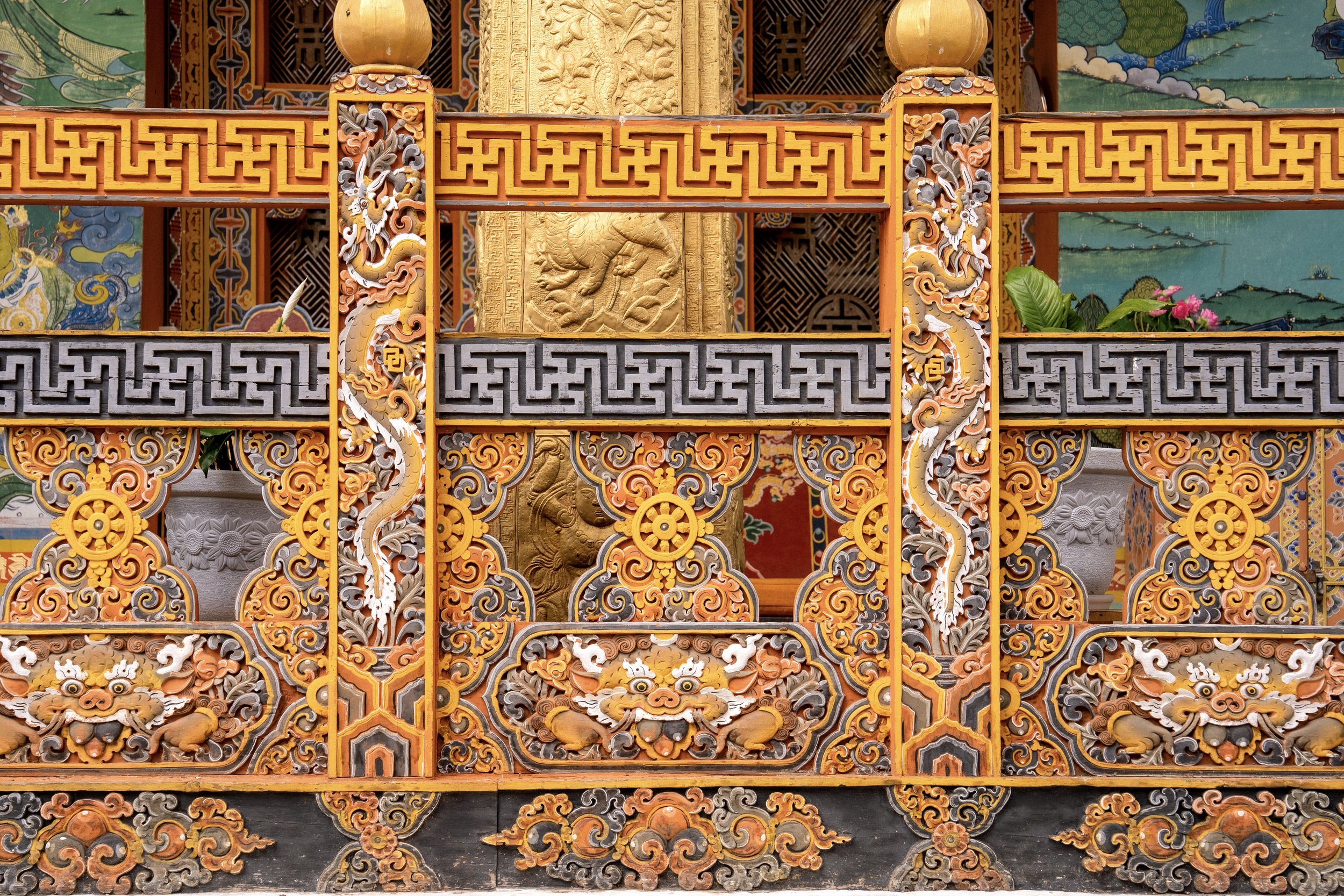
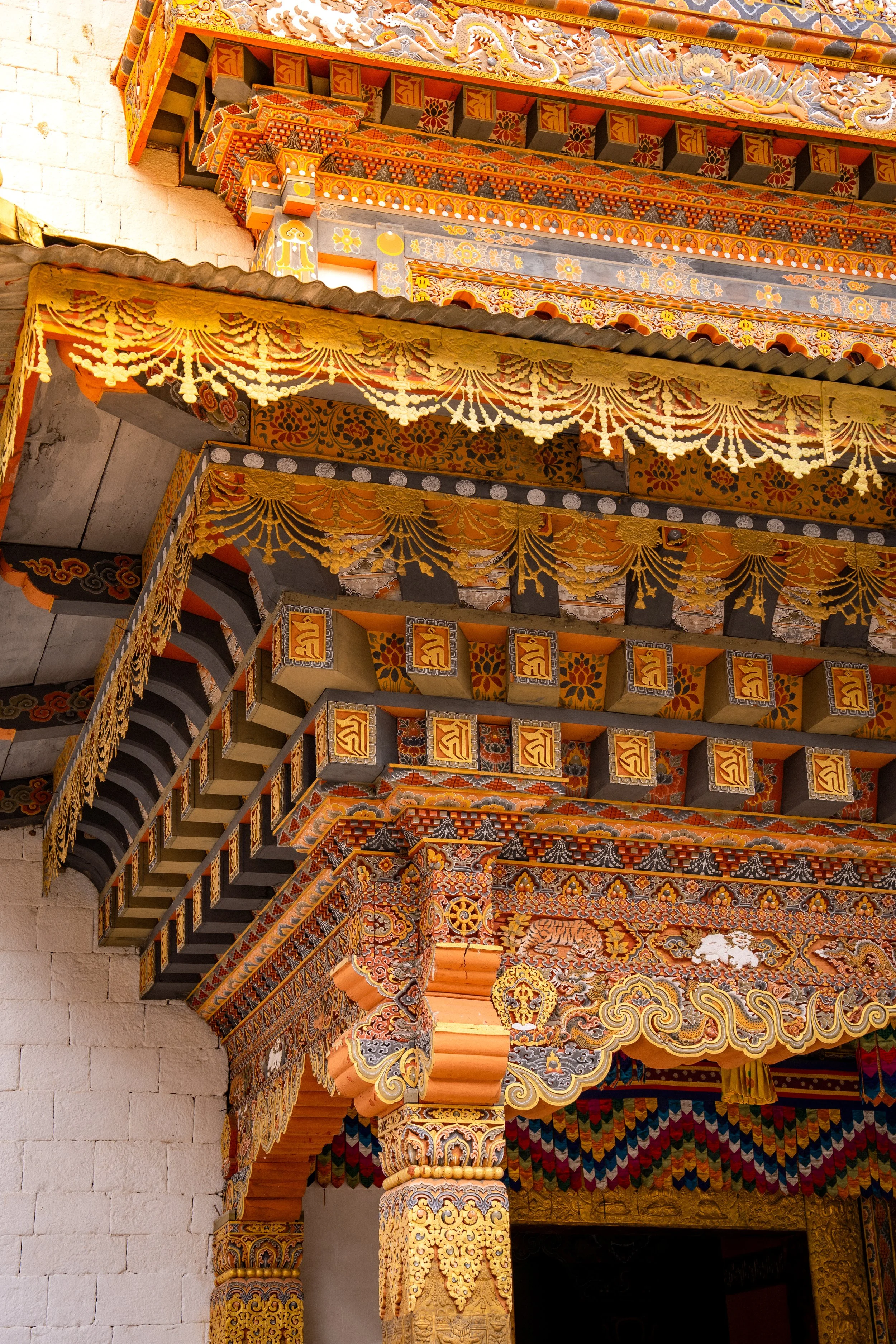
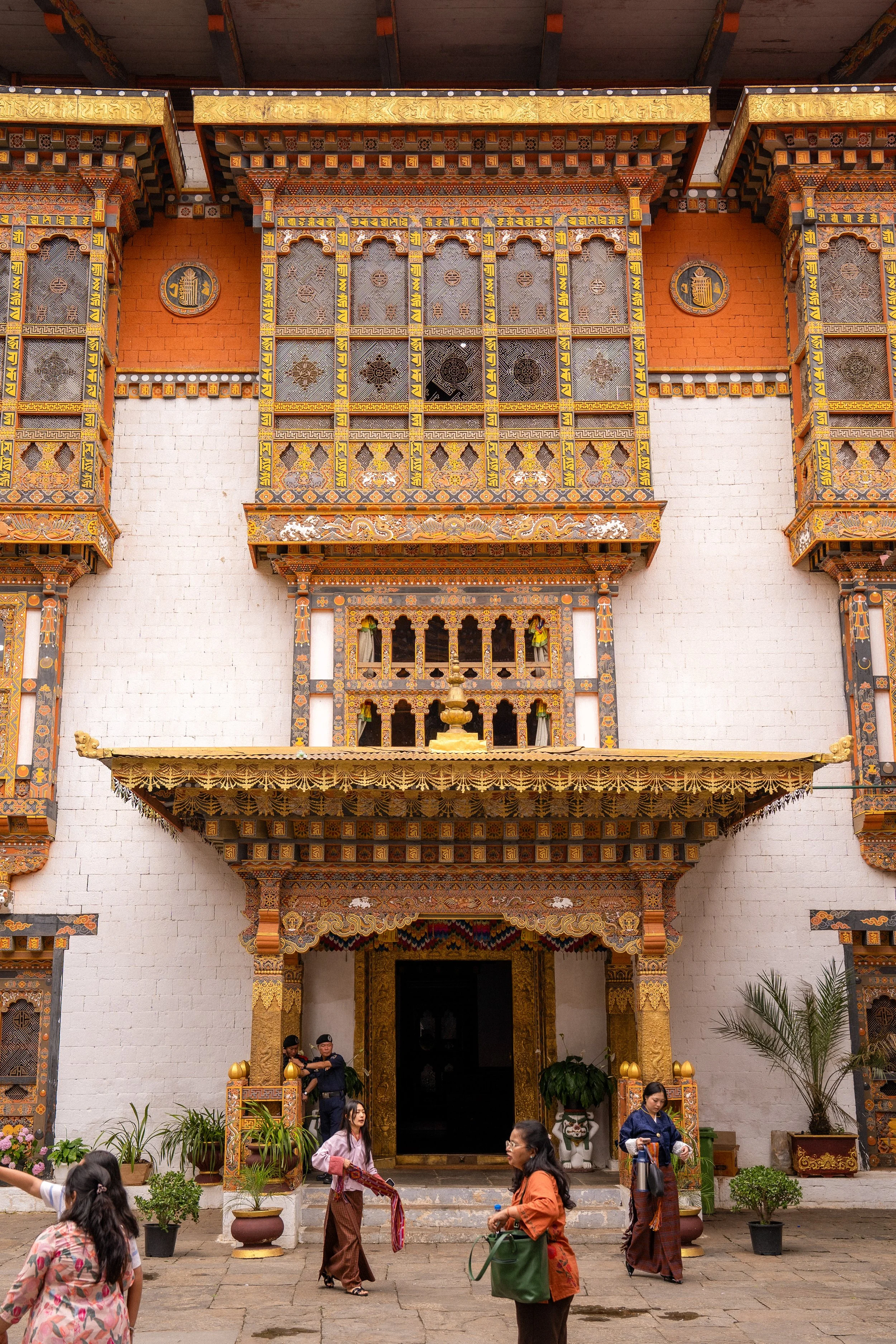
Punakha Dzong
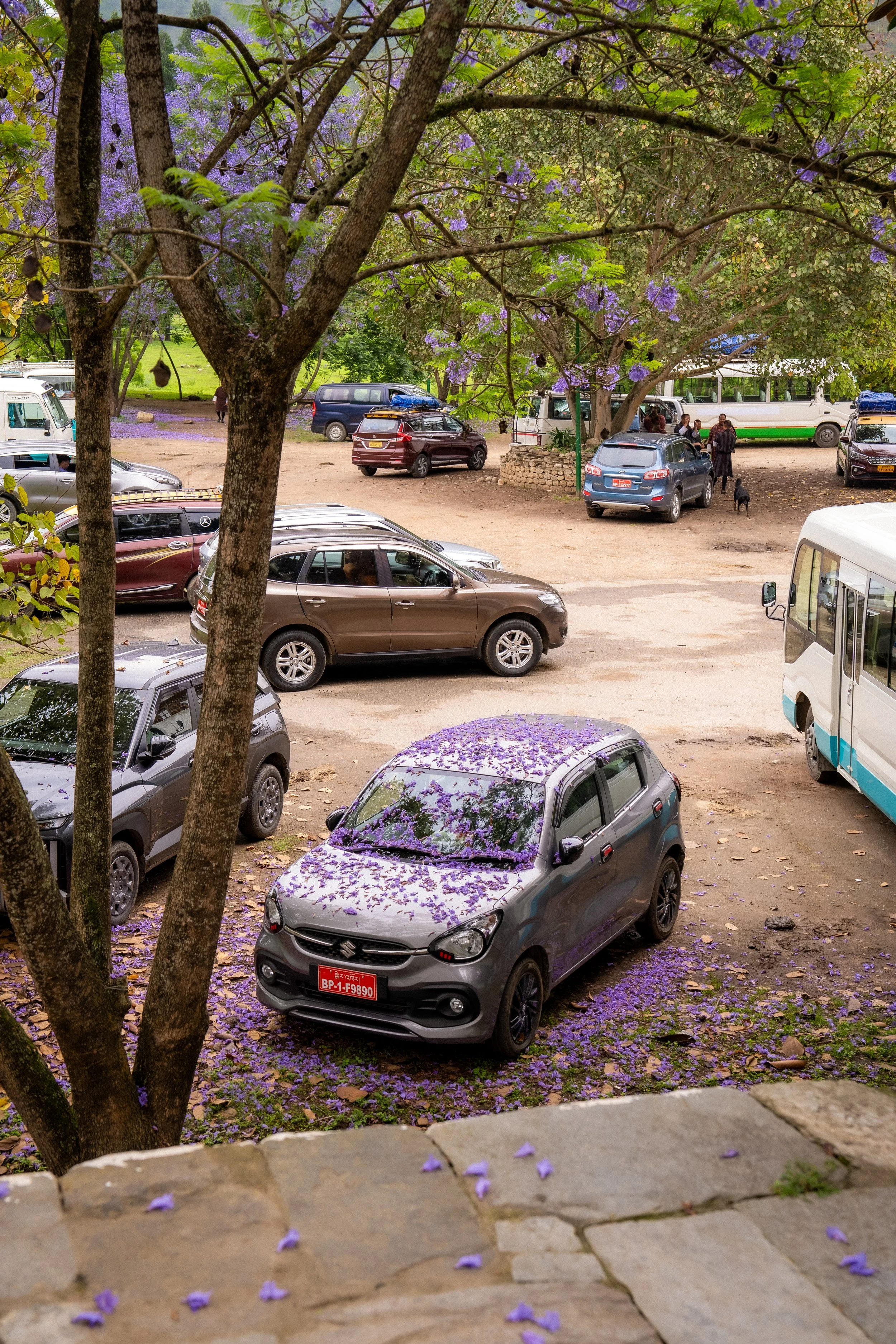
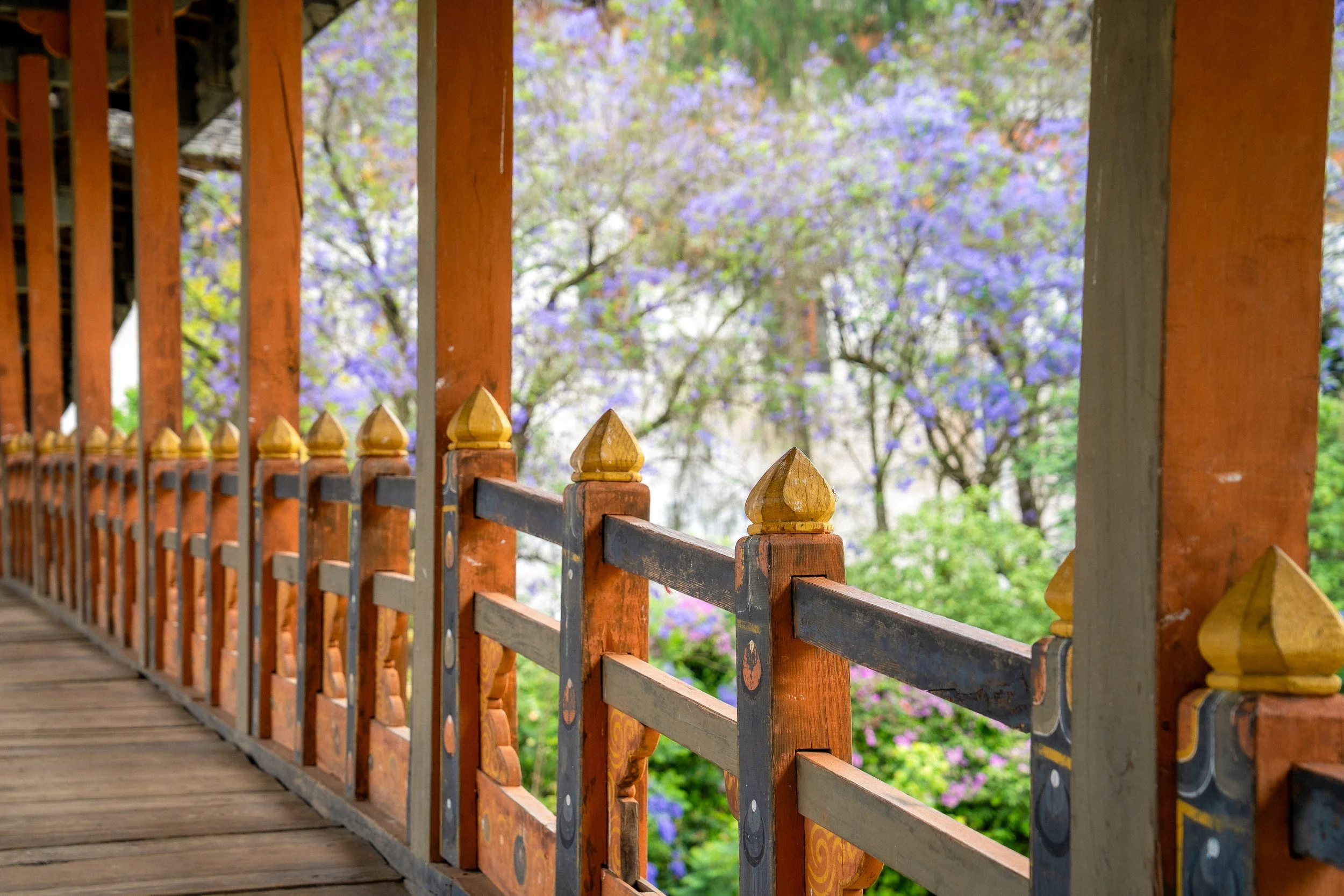
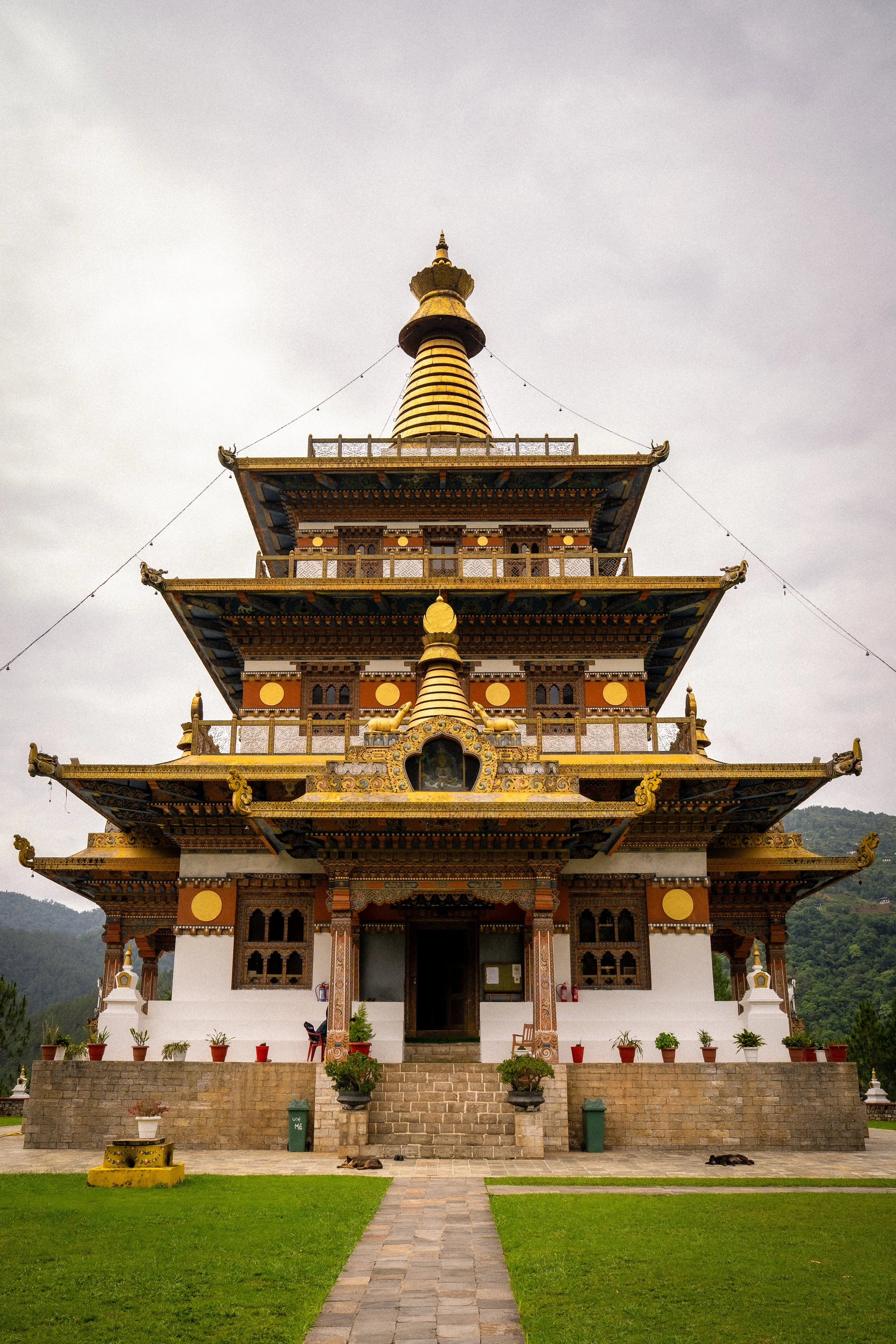
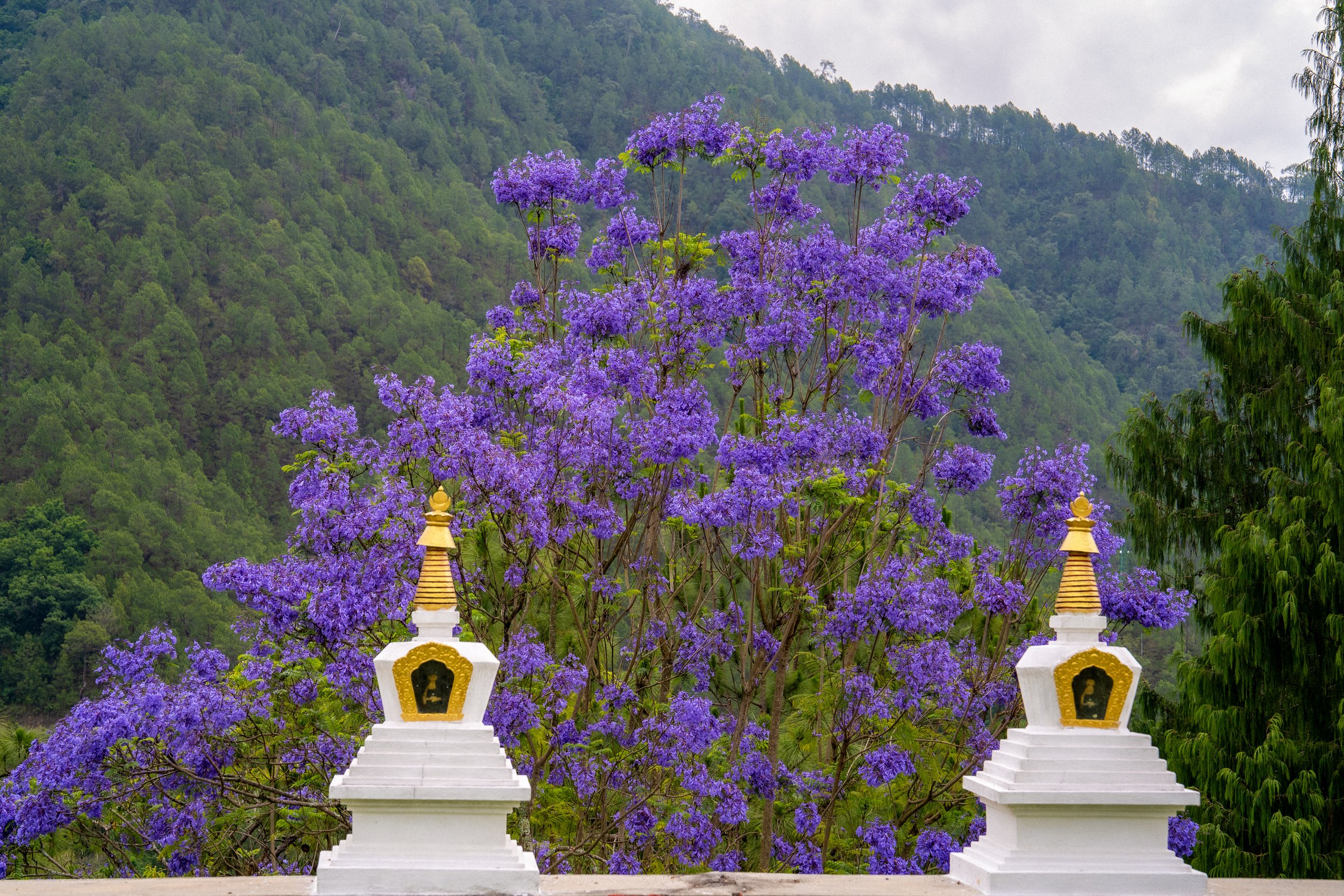
Probably the most beautiful dzong we visited. It sits dramatically where two rivers meet and is surrounded by gorgeous jacaranda trees when they’re in bloom. Dzongs are fortress monasteries that historically served both religious and administrative purposes, and many remain important institutions today.
Chimi Lhakhang and the Divine Madman
Potentially the most unexpected stop in Bhutan.
The area is associated with Drukpa Kunley, known as the Divine Madman, and you’ll quickly notice phallic paintings and sculptures absolutely everywhere. They’re not treated simply as sexual imagery. They’re associated with protection, fertility and warding off evil.
This was easily one of the strangest and most fascinating cultural experiences of the trip.
THIMPHU
Bhutan’s capital is fascinating because it feels simultaneously traditional and modern.
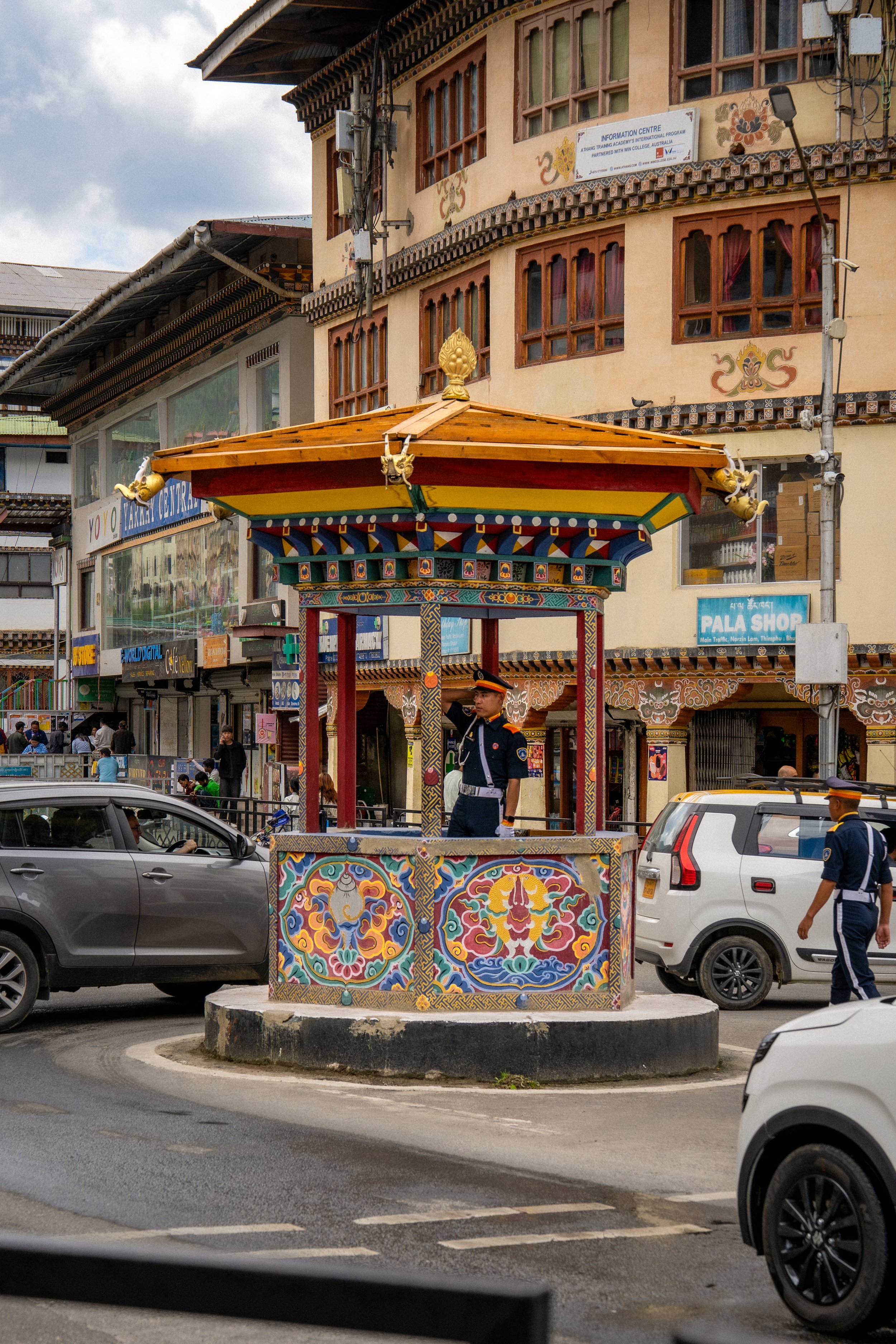
See the famous traffic policeman
Thimphu is famous for not having conventional traffic lights, with traffic instead directed manually at its best known intersection.
Go shopping for Bhutanese textiles
Do not leave Bhutan with an empty suitcase.
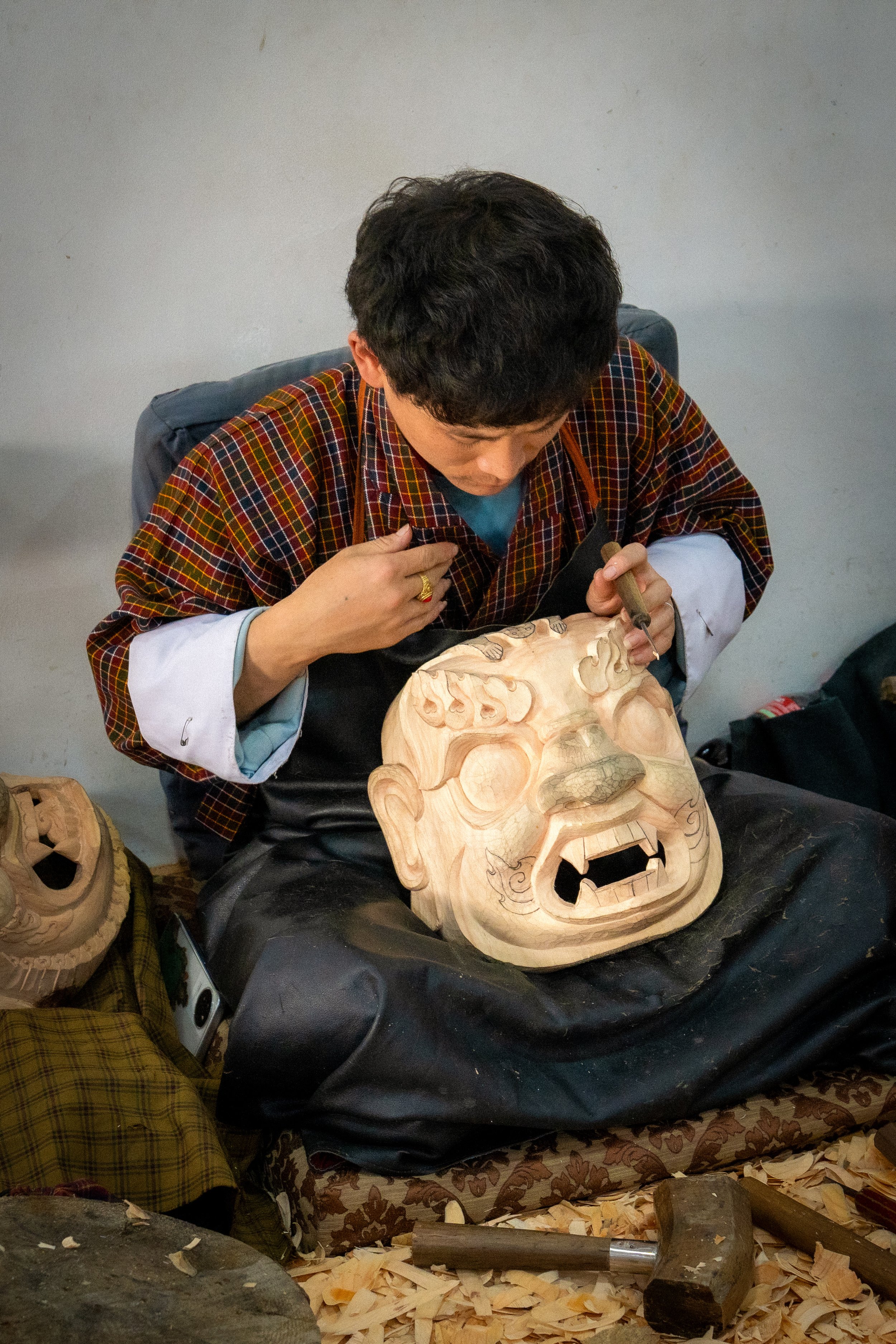
The craftsmanship was one of the things that impressed me most. We bought carpets, throws, jackets and a beautiful handmade bag. I particularly loved seeing artisans actually producing pieces inside the workshops rather than everything simply being sold as souvenirs.
There’s even a Bhutanese word for the gifts you bring home from travelling: chum.
Visit the art school
Bhutan still places enormous value on traditional craftsmanship. Students train in disciplines including wood carving, metalwork and embroidery. It’s a great addition if you’re interested in art, fashion or design.
Buddha Dordenma
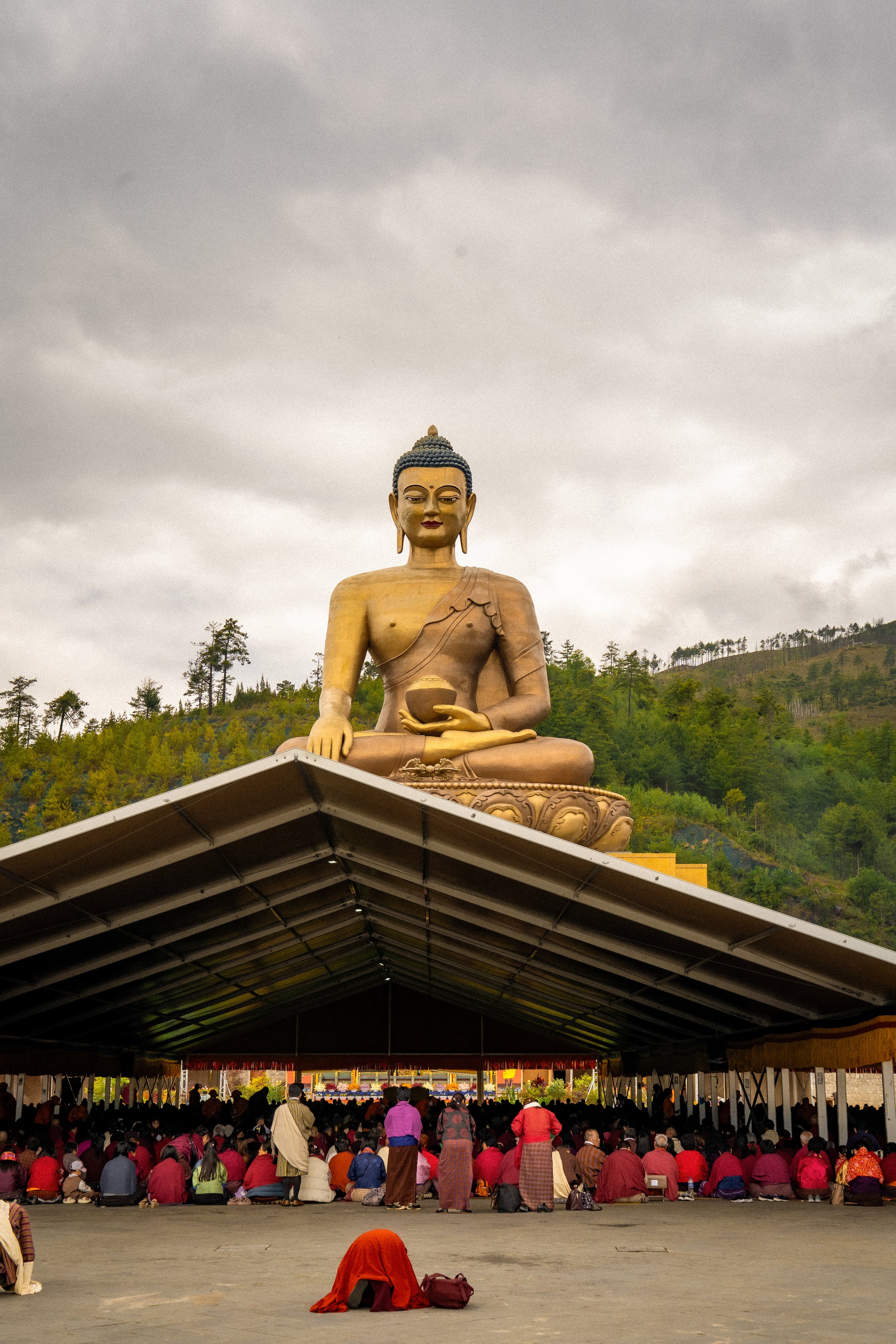
One of the most impressive landmarks overlooking Thimphu. The enormous golden Buddha is actually made from bronze, and visiting during a religious celebration gave us an incredible glimpse into Bhutanese Buddhist devotion.
See the takin
Bhutan’s wonderfully strange national animal genuinely looks like several different animals combined into one. We visited the reserve outside Thimphu to see them.
Try archery
Archery is Bhutan’s national sport. We were terrible at it. Still worth doing.
PARO
Stay overnight at a monastery
This was probably the most special experience of our entire trip.
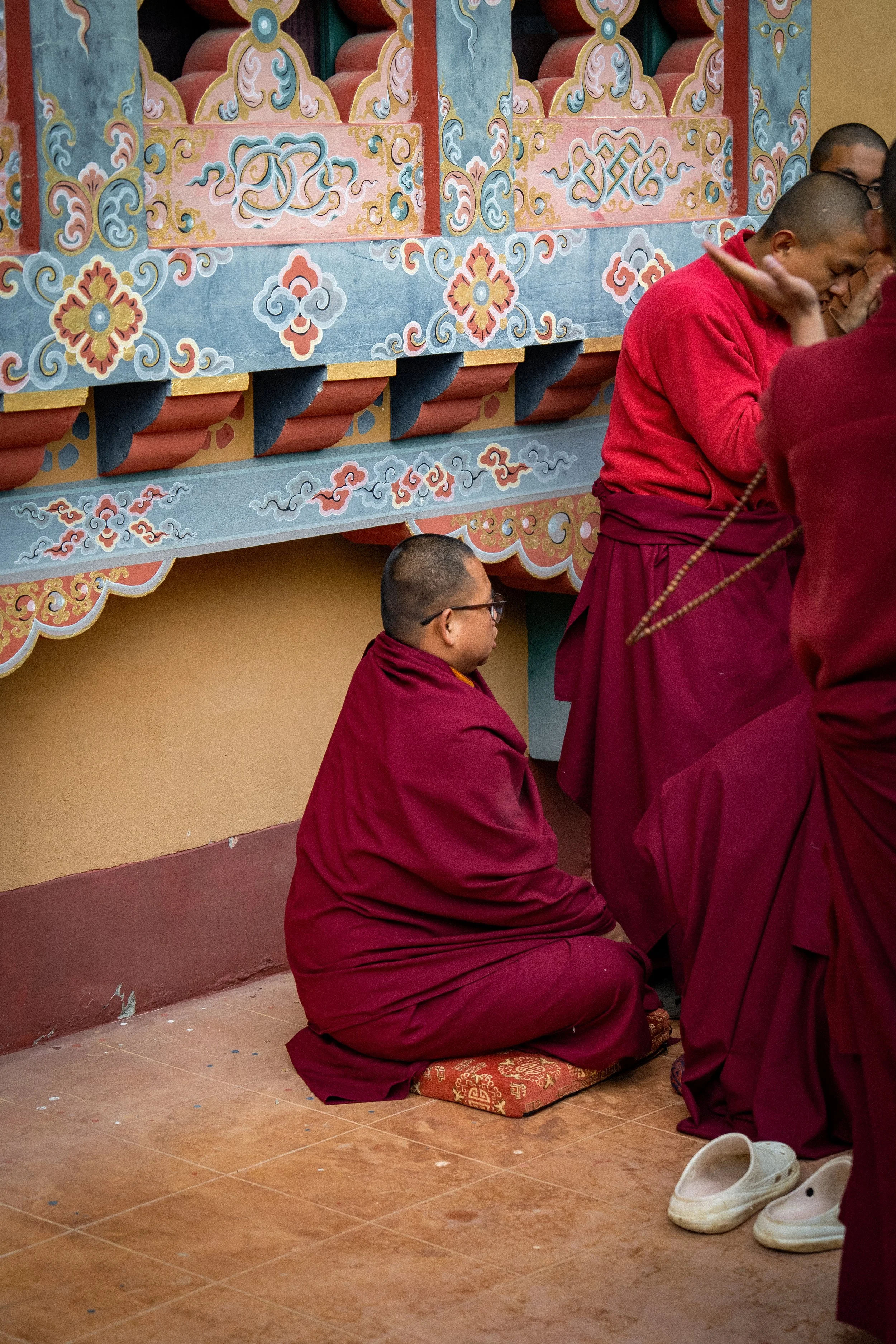
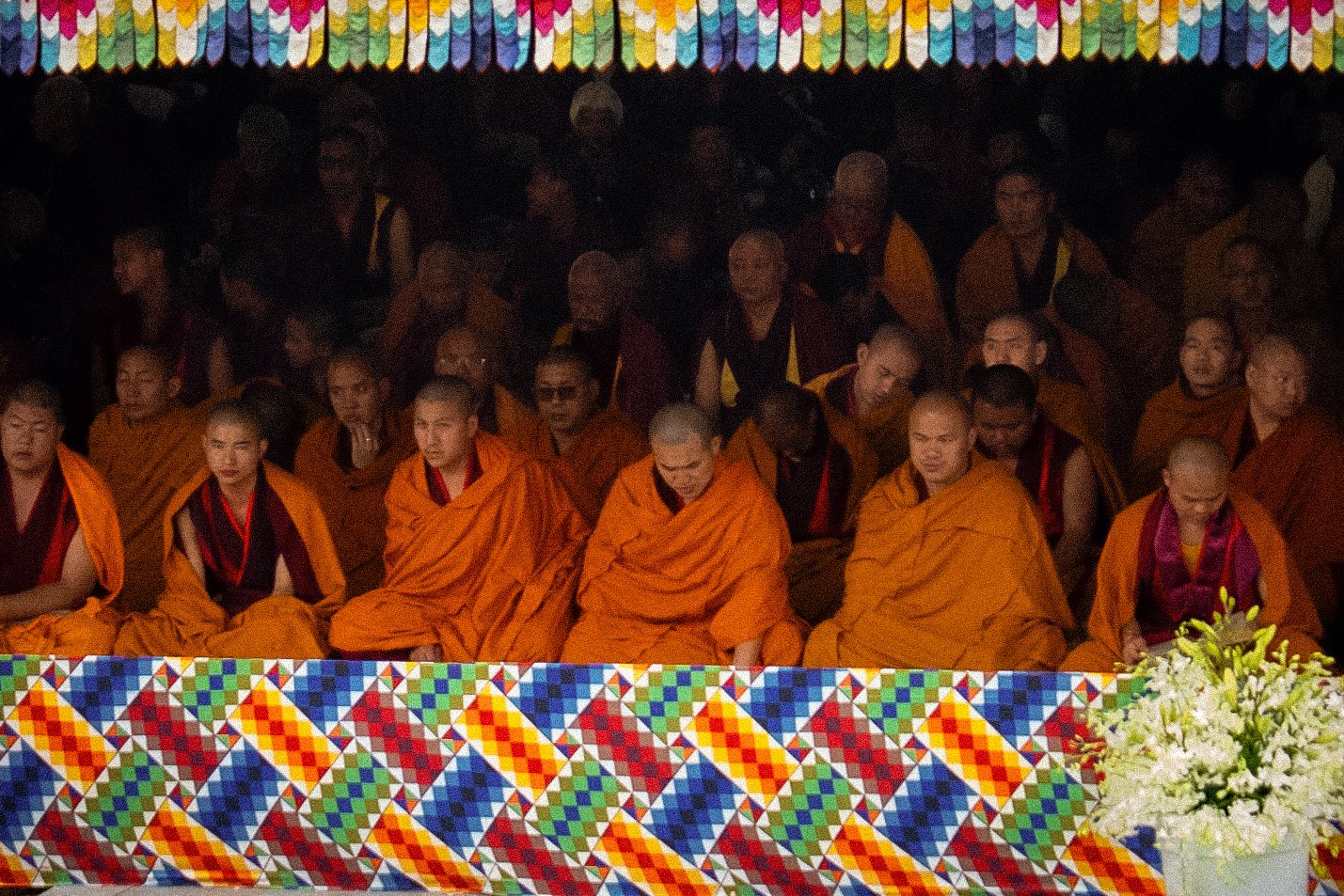
We were given the rare opportunity to stay overnight at a monastery outside Paro, eat alongside the monks, watch their debates and learn a little about what monastic life actually looks like today.
What surprised me was how different reality was from my preconceived idea of a monk’s life. Some use phones, visit their families and study practical skills alongside religious teachings and meditation.
The following morning, the head monk spoke to us about kindness, compassion and impermanence. His message was incredibly simple: nothing in life is permanent. The good passes, but so does the bad.
HIKE TIGER’S NEST
If you do one thing in Bhutan, make it this.
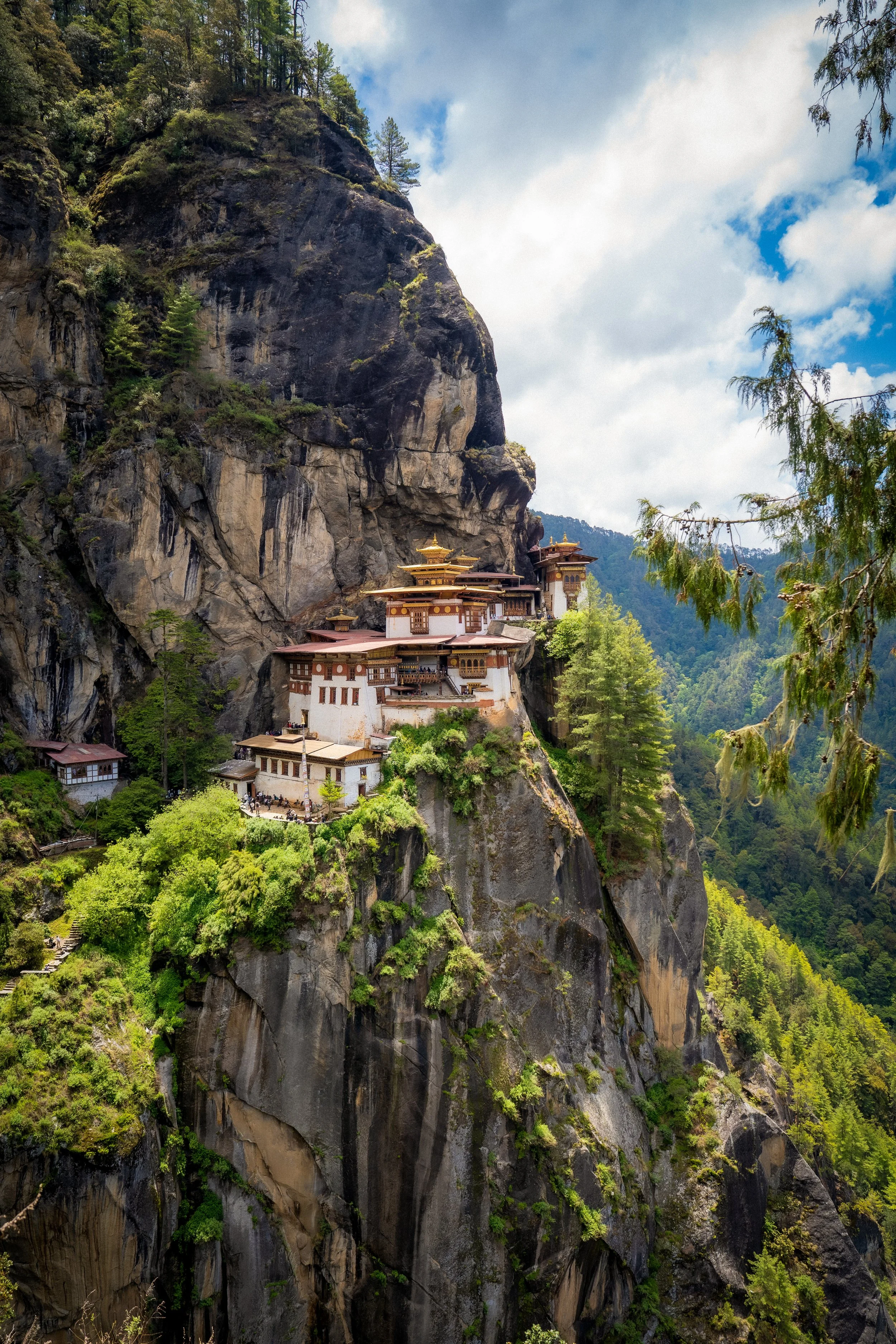
Tiger’s Nest is perched dramatically on the side of a cliff above Paro and is one of Bhutan’s most sacred Buddhist sites.
The altitude was the hardest part for me. The climb begins gradually, but I could feel the thinner air surprisingly quickly.
There’s a café around halfway if you need a break. We continued upwards and reached the main viewpoint after roughly an hour and a half, although the full experience, including reaching the monastery and returning, took us around five hours.
My biggest tip: take your time. Stop when you need to. There is absolutely no shame in catching your breath, especially if you’re not accustomed to altitude.
And when you finally see Tiger’s Nest clinging to that cliff, it is completely worth it.
WHAT TO EAT IN BHUTAN
Bhutanese food was one of the biggest surprises of the trip.
Ema datshi: Bhutan’s famous chilli and cheese dish. If you love spicy food, you’re going to be very happy here.
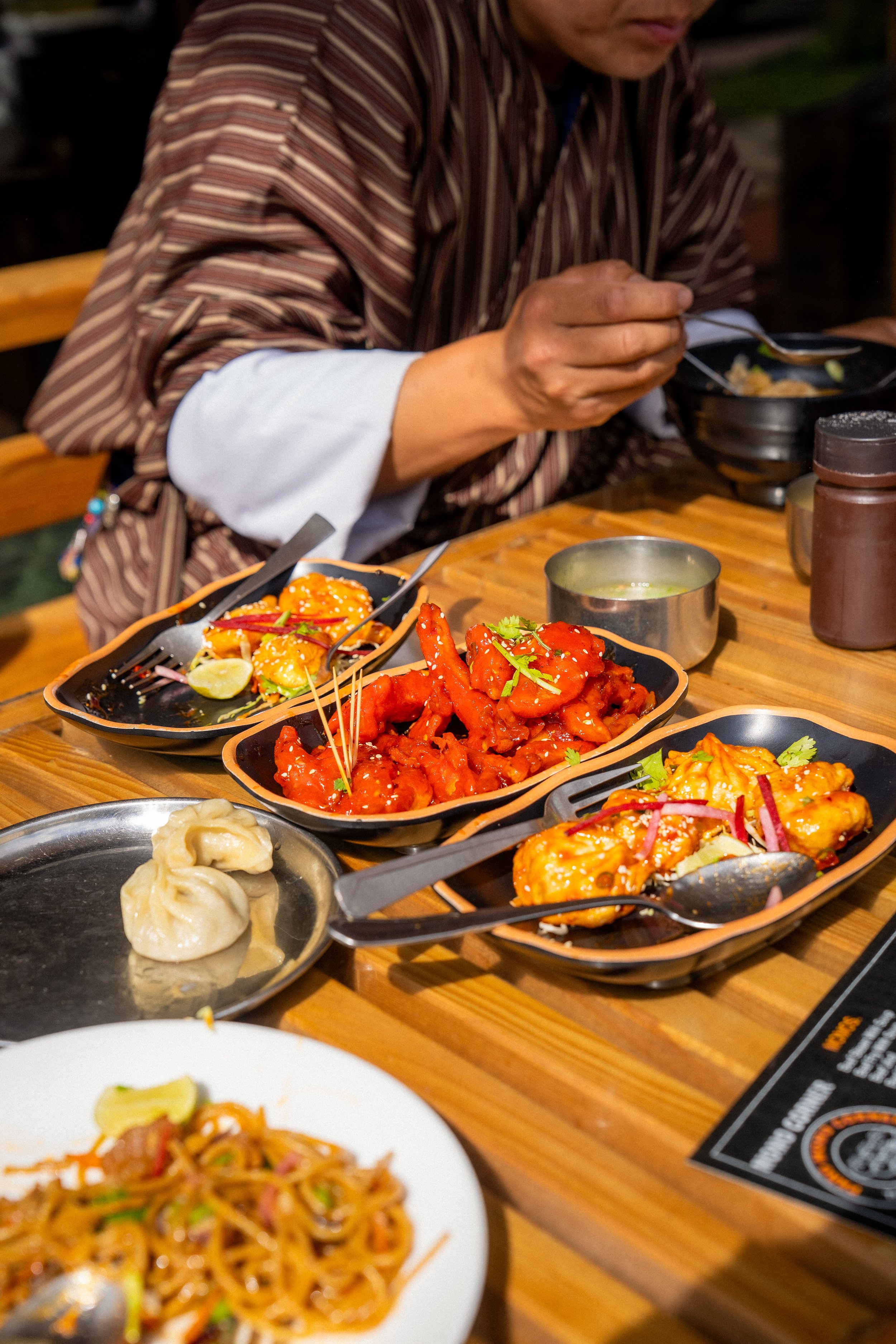
Momos: We ate a LOT of momos. One of our favourite meals came after the Tiger’s Nest hike when we stopped at Momo Corner in Paro absolutely starving.
Red rice: A Bhutanese staple that you’ll encounter throughout the country.
Tomza: A traditional meal centred around rice with accompanying dishes such as chilli cheese, spicy radish, meat or egg.
Chhurpi: Extremely hard yak cheese. And when I say hard, I mean you may genuinely be chewing it for hours.
Ara: Traditional rice liquor. Proceed accordingly.
Roadside corn: Simple, freshly barbecued corn with lime and chilli was one of those little travel moments I loved.
EXPERIENCES I WOULDN’T MISS
Hiking Tiger’s Nest
Spending a night in a monastery
Staying in a traditional Bhutanese homestay
Exploring Punakha Dzong
Visiting the Divine Madman fertility temple
Visiting the Takin Reserve
Trying archery
Eating as much Bhutanese food as possible
Experiencing Paro’s landing from the window seat (get your tour company to book this for you, earlier the better!)
Spending an evening experiencing Paro nightlife
Our final night even ended with us meeting a Bhutanese singer in a local bar, which pretty perfectly summed up the trip.
FINAL THOUGHTS
Bhutan was nothing like I expected, but somehow everything I wanted it to be.
There are the huge bucket list experiences, like flying over the Himalayas and standing beneath Tiger’s Nest, but the moments I remember most are smaller: eating beside monks, stopping for corn beside the road, watching people work in rice fields, talking to our guide during long drives and listening to the head monk speak about impermanence.
It’s one of those rare trips that changes the way you think about the world long after you leave.
WATCH MY FULL BHUTAN DOCUMENTARY 🇧🇹
Want to see the entire journey? Watch my full Bhutan documentary on YouTube, where I take you through the complete trip from landing in Paro to hiking Tiger’s Nest.
Oriana, inspired by travel, made for you.